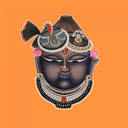
Dolotsav (Dhuleti)
What it is
The morning after Holika Dahan — Fagan Vad 1 — is Dhuleti, the day of colours, and in Pushtimarg it is Dolotsav, counted among the greatest utsavs of the year. 'Dol' means the swing: a great hindola woven of fresh leaves, creepers and flowers, in which Shri Thakurji is seated. The bhav is of Vraj at its most exuberant — the Lord swinging amid spring's first bloom while the gopis shower rang and gulal.
This day is the culmination of the entire arc begun on Vasant Panchami, some forty days of steadily deepening khel. In the haveli, colour is everywhere: the darshans of the day are drenched in it, gulal and abil filling the air, kirtans of hori and dhamar ringing out, and the colour of the Lord's khel touching the gathered sangat as prasad. Outside, the same joy spills into streets and courtyards as families play Dhuleti. One festival, within the haveli and without — the whole world briefly the colour of Vraj.
Why we observe it
Dolotsav gathers the whole meaning of the season into a single day. Colour is the great leveller of Vraj: once gulal fills the air, old and young, learned and simple, all wear the same face — and between Prabhu and bhakta too, the khel leaves no room for distance. This is grace made visible: the Lord of all creation letting Himself be coloured by the hands of those who love Him, and colouring them in return.
The swing carries its own bhav. A dol moves only when someone moves it — so the Vaishnav rocks the hindola gently, and seva becomes as light and joyful as play. Swinging amid flowers, Thakurji lets His devotees serve Him through delight itself. For a Vaishnav, Dhuleti is therefore more than a holiday: it is the day the heart is asked to hold nothing back. Sing, play, laugh, be drenched — and know that the rang that touches you in His khel is prem itself, and it does not wash off.