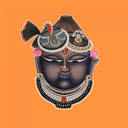
Mokshada Ekadashi
What it is
Mokshada Ekadashi falls on Magshar Sud 11, and it carries a double glory. First, its own vrat: 'Mokshada' means the giver of moksha. Second — this is the tithi of Gita Jayanti, the day Shri Krishna spoke the Bhagavad Gita to Arjuna between the two armies at Kurukshetra. The Lord himself honours this month in the Gita: 'of months, I am Margashirsha.'
Its katha: Vaikhanasa, the good king of Champakanagar, saw his father in a dream, suffering in Naraka. Shaken, he sought out Parvata Muni, who perceived the cause — a sin of the father's past life — and prescribed the remedy: let the king observe Mokshada Ekadashi with his family and offer its punya to his father. The king did so, and as the merit was offered, flowers rained from the sky; his father rose to the higher worlds, blessing his son as he went.
Like Indira Ekadashi in the Shraddha fortnight, Mokshada's merit can be given away — even to ancestors — and the vrat is honoured as one that opens the very door of liberation.
Why we observe it
To fast on the day the Gita was born is to keep the vrat beside the Lord's own voice. Many Vaishnavs spend Mokshada in Gita-path or shravan, and the fast gives the day its stillness: a light body, a quiet mind, and the words of the Sarathi who drove Arjuna's chariot — and drives ours.
The Gita's final teaching is its heart: 'sarva-dharman parityajya mam ekam sharanam vraja' — leave all else and come to my sharan alone. A Pushtimarg Vaishnav recognises this instantly, for it is the very bhav of 'Shri Krishna sharanam mama'. Sharanagati is not one teaching among many here; it is the whole path.
And so the Pushtimarg bhav on Mokshada is distinctive: the vrat that grants moksha is kept by those who do not ask for moksha. Shri Mahaprabhuji's path holds Prabhu's seva higher than liberation itself — for one who has Shrinathji's charan, what further mukti is left to want? Keep the fast, read the Gita, offer the punya to your pitrus — and ask only for seva, smaran, and his nearness.