Nag Pancham
What it is
Nag Pancham (Naag Panchami) falls on Shravan Sud 5. Across India it is a day of reverence for serpents, and for Krishna devotees it carries a specific memory: young Krishna subduing the serpent Kaliya in the Yamuna and dancing on his hoods until Kaliya submitted and was allowed to leave in peace, a leela of gentleness overpowering venom rather than destroying it.
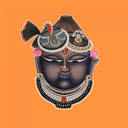
At Nathdwara, tradition ties the day to Shrinathji's own discovery: it is said that on a Nag Panchami, a Brajvasi searching for a lost cow on Govardhan hill saw a raised arm emerging from the earth and called others to see it — the same arm, believed to be the one that lifted Govardhan. The Brajvasis chose not to dig further, holding that the form would reveal itself when Prabhu wished, and a yearly fair began there on Nag Panchami from that day on. Decades later, at the same spot, Shrinathji's full form was found in the way the sampradaya still recounts.
Why we observe it
For Pushtimarg specifically, Nag Pancham is tied to the very origin of Shrinathji's manifestation, which makes it a far more personal day than the general Nag Panchami it shares its name with. Standing at the spot where an arm was first glimpsed and choosing patience over digging is itself a teaching: Prabhu is seen when Prabhu chooses to be seen, not when sought by force, a bhav that runs through the whole sampradaya's understanding of grace.
The Kaliya leela adds its own note: even venom, met with Krishna's presence, is not destroyed so much as tamed and sent on its way with mercy — a small, useful reminder for a Vaishnav of how to meet whatever is difficult in their own path.