Nand Mahotsav
What it is
Nand Mahotsav is the morning after Janmashtami — Shravan Vad Nom — when the news of the birth breaks over Gokul and Nandbaba's house erupts. In the katha, Nandbaba distributes cows and gifts, the Vrajvasis pour in with vadhai — songs and offerings of congratulation — curd and milk and haldi are flung and smeared until the courtyard is golden, and all of Vraj dances.
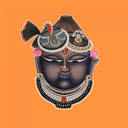
In Pushtimarg this is among the most exuberant days of the entire year. In the havelis, Shri Thakorji is placed in a palna as the newborn Lala; figures of Nandbaba and Yashodaji share the celebration, with Yashodaji beside the cradle; sevaks and mukhiyaji enter the bhav of Vrajvasis; vadhai padas are sung at full voice; and toys, fruit, coins and utensils are showered and distributed — lutayi — among the gathered Vaishnavs. At Nathdwara the Nand Mahotsav is famous: curd splashed in true Gokul style, the whole temple a courtyard of Vraj. Where Janmashtami is midnight, hushed and full of wonder, Nand Mahotsav is morning — loud, crowded, laughing.
Why we observe it
Nand Mahotsav exists because joy this large cannot be kept. Janmashtami is the birth; Nand Mahotsav is the birth told — the moment the secret of the prison-night becomes the celebration of an entire people. Pushtimarg treasures it because the marg's own heart is Vraj-bhav: not worship from a distance but belonging — being one of the family, one of the neighbours who crowd into Nandbaba's courtyard uninvited, because invitation is unnecessary among one's own. On this day every Vaishnav is a Vrajvasi.
The curd flung about is the overflow of a joy that refuses tidiness; the vadhai sung to Yashodaji is our congratulation, as if the birth happened next door — because in bhav, it did. And the lutayi, the showering and distributing of gifts, carries the day's quiet teaching: in Vraj, joy is not possessed, it is scattered. Nandbaba gave; everyone received; no one counted. To observe Nand Mahotsav is to practise that — to let the heart be generous, noisy and unguarded for one whole day, and to discover that this, too, is seva: Prabhu is delighted most when his people are delighted in him.