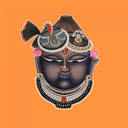
Nirjala (Bhimseni) Ekadashi
What it is
Nirjala Ekadashi falls on Jeth Sud Agiyaras — the bright eleventh of Jyeshtha, in the fiercest heat of the year. 'Nirjala' means waterless: alone among all Ekadashis, this vrat renounces not only grain but food of every kind and even water, from sunrise on Ekadashi to sunrise on Dwadashi.
Its katha, from the Brahma Vaivarta Purana, belongs to Bhimsen. All the Pandavas and Draupadi kept every Ekadashi, but Bhim — whose hunger was as legendary as his strength — confessed to Shri Ved Vyas that he simply could not; the fire in his belly would not allow it. Was he then doomed to lose the phal of Ekadashi? Vyasji lovingly gave him a way: keep one single Ekadashi in the year, the Jyeshtha Sud eleventh, without even water — and it would carry the merit of all twenty-four together. Bhim kept it, and so this day is affectionately called Bhimseni or Pandava Ekadashi.
The shastras count this the most meritorious of all Ekadashis: one day's complete surrender of the body's most basic need, weighed equal to a whole year of vrats.
Why we observe it
Water in the month of Jeth is life itself; to set it aside for a day is the utmost a body can offer. That is why this vrat stands above the rest — not because Prabhu delights in our thirst, but because love that holds nothing back delights Him.
The season gives the Pushtimarg Vaishnav a tender frame for it. In these scorching weeks the whole bhav of seva turns to cooling Prabhu — light garments, chandan, the coolness of jal. To go without water oneself while longing that Shri Thakorji feel every comfort is the vrat's sweetest form: 'Your sukh before mine.' The body's thirst itself becomes a day-long remembrance of the One we love.
And Bhim's katha carries its own grace: Prabhu never demands what we cannot give. Bhim was honest about his weakness, and honesty was answered with a way. So keep Nirjala only as health and shakti truly allow — the elderly, the unwell and children may keep it in spirit through smaran and kirtan, and that too is accepted. In Pushtimarg the measure of a vrat is never its severity but its bhav; one day held wholly for Prabhu is counted as everything.