Nutan Varsh
What it is
Nutan Varsh, the Gujarati New Year, dawns on Kartik sud Ekam, the morning after Diwali, when the new Vikram Samvat begins and every doorstep rings with 'Saal Mubarak'. In the Pushtimarg calendar this is no ordinary first day: it is the day of Annakut and Govardhan Puja, one of the greatest utsavs of the whole year.
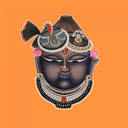
The story is the very seed of the sampradaya. When Shri Krishna saw Vraj preparing Indra's yearly sacrifice, He turned the offering instead to Shri Girirajji — Govardhan, who nourishes the cows and the Vrajvasis. Indra's fury broke as seven days of torrential rain, and the young Lord lifted Govardhan on the little finger of His left hand, sheltering all of Vraj beneath it. In His honour a literal mountain of food — the Annakut — is raised before Thakorji: rice heaped high, ringed with sakhdi, sweets and countless vyanjans. At Shrinathji's haveli in Nathdwara the rice annakut runs to thousands of kilograms, and after darshan the prasad is joyfully 'looted', so that the Lord's abundance reaches every hand.
Why we observe it
That the Gujarati new year begins with Annakut is, for a Vaishnav, the whole teaching in one morning: before anything else in the year — business, travel, resolutions — comes darshan. The first face seen in the new year is the Lord's; the first meal cooked belongs to Him. And the utsav chosen for this first day is Govardhan, the lila at the heart of Pushtimarg itself, for Shrinathji is Shri Govardhannathji, the lifter of the hill.
The bhav is shelter: as the mountain stood between Vraj and the storm, so pushti — grace — stands between the jiv and all that the coming year may bring. The Annakut answers the Lord's generosity in kind: He nourishes us all year, so on this one day Vraj feeds Him a mountain. There is gratitude in it, and abundance without hoarding — the prasad is scattered, shared, even looted, because grace is not stored but distributed. A Vaishnav's 'Saal Mubarak' therefore carries a quiet vow: may every account, journey and joy of this year begin, continue and end in the seva of Shrinathji.