Rakshabandhan
What it is
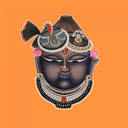
Rakshabandhan falls on Shravan Poonam and is observed across India as the day a sister ties a rakhi, a protective thread, on her brother's wrist, asking for his protection and offering her own blessing in return. In Pushtimarg households the same thread finds its way to Shrinathji too: a rakhi is offered in seva on this day, alongside the household's own family observance.
The day falls close to Pavitra Baras (Shravan Sud 12), when a pavitra thread is traditionally offered to one's guru, and tradition allows that offering to be made any time up to Rakshabandhan if it could not be done earlier.
Why we observe it
A thread tied in protection and a thread tied in devotion are close cousins, and Pushtimarg treats them that way: the rakhi offered to Shrinathji on Rakshabandhan carries the same plain, physical gesture of binding oneself to someone who will look after you that a sister offers her brother, only offered to Prabhu instead. It is a small act, but it says something Pushtimarg says often in different forms: a Vaishnav is not left to fend for themselves, any more than a sister's brother is.
Kept alongside the pavitra of the days just before it, Rakshabandhan closes out a short stretch of the calendar built entirely around one gesture — the tying of a thread — read three ways: to a guru, to a sibling, and to Prabhu Himself.