Rang Panchami
What it is
Rang Panchami falls on Fagan Vad 5, the fifth day after Holi Poonam, and brings the festival of colours to its formal close. In Maharashtra, Madhya Pradesh and parts of North India it is celebrated with a fervour equal to Dhuleti itself; in Vraj, where Holi is never in a hurry to end, the khel of rang lingers through these days, and Rang Panchami is its parting flourish. Tradition holds that on this day colour is thrown skyward for the devas — it is remembered as the Holi of the gods, when the air itself is offered gulal.
In the Pushtimarg calendar Rang Panchami stands as the final milestone of the long season that opened on Vasant Panchami: from the first pinch of gulal, through Danda Ropan, Holashtak, Holi Pradipan and Dolotsav, to this last day of rang. The abil and gulal that filled the seva now take their leave; the utsav that arrived with spring's first blossom completes its arc.
Why we observe it
Every utsav must end, and Rang Panchami is the tradition's tender way of ending one it loves too much to drop abruptly. The colours are thrown upward — offered, not spent — as if to say the khel belongs finally to the divine, and to the divine it is returned. The subtle bhav the tradition attaches to this day is that colour flung into the air touches not the body but the inner self: after the exuberance of Dhuleti, Rang Panchami's rang is the finer one, the colour of bhav itself.
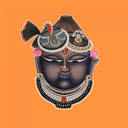
For a Vaishnav there is a quiet lesson in the long goodbye. Prem does not switch off with the calendar; it tapers, lingers, looks back. The season taught the heart to play with Prabhu — now the task is to keep its colour through the plain days ahead: in daily seva, in kirtan, in remembering Shrinathji with gulal-bright cheeks. The festival ends; the rang, the tradition promises, does not. It is carried within, until vasant comes again.