Rath Yatra
What it is
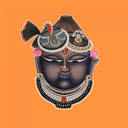
Rath Yatra is celebrated on the second lunar day of the bright half of Ashadh — Ashadh Sud Bij — as the monsoon gathers. Its great home is Puri, where Shri Jagannathji, with his elder brother Balabhadraji and sister Subhadraji, rides an enormous, freshly built wooden chariot from the Shri Mandir to the Gundicha temple, drawn through the streets by thousands of hands on the ropes. Tradition remembers it as the Lord's annual journey — going out among his people, visiting the garden temple, and in bhav returning to the Vrindavan of his childhood.
For a fortnight before, after the great bath of Snan Yatra, the Lord has rested unseen; Rath Yatra is his emergence, radiant in new shringar, into the open street where anyone at all — of any caste, any land, any condition — may receive his darshan. Shri Chaitanya Mahaprabhu danced and sang before these chariots, and Vaishnavs of every sampradaya have cherished the festival since. The chariot festival is echoed in Krishna temples across India and, today, in cities around the world.
Why we observe it
The bhav of Rath Yatra is grace in motion: the Lord who does not wait for us to reach him, but comes out to seek us. Temples have thresholds; the street has none. On this day Bhagwan leaves the sanctum so that those who could never enter — the old, the stranger, the passer-by — receive darshan where they stand. To a Pushtimarg heart this is the very fragrance of pushti, of grace freely given, for Shri Mahaprabhuji taught that Prabhu accepts souls not for their qualification but out of love alone.
There is also the sweetness of the ropes: the Lord of the universe allows himself to be pulled — and only by love. No engine moves the rath; it moves when bhaktas pull together, which is its own quiet teaching about satsang. And in bhav, the journey is Shri Krishna's return toward Vraj, toward the simple love of his childhood companions — the love Pushtimarg holds highest. The Vaishnav prays: let my heart be the rath, let Prabhu mount it, and let the rope in my hand never slacken.