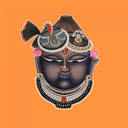
Shreenathji Patotsav
What it is
Patotsav comes from 'paat' — the ceremonial seating of the Lord's svarup upon the sinhasan — and Shreenathji Patotsav is the anniversary of the blessed day Shrinathji was enthroned in his haveli at Nathdwara. In Samvat 1726 (1669 CE), when Aurangzeb's armies threatened Vraj, the svarup of Shri Govardhannathji was taken from Mount Govardhan on a journey that wound through Agra and the lands of Rajasthan for more than two years. At the village of Sinhad in Mewar, the wheel of Prabhu's cart sank into the earth and would not move. The Vaishnavs understood: this was no accident, but Prabhu's own wish to remain there.
Under the shelter of Maharana Raj Singh of Mewar a haveli was raised, and in Samvat 1728 (1672 CE) Shrinathji was seated upon the paat. The tithi is remembered as Maha Vad Saptami by the Gujarati calendar — Phalgun Krishna Saptami in North Indian reckoning — falling in the last weeks of winter, before Holi. The village became Nathdwara, 'the gateway of the Lord', and every year this tithi is celebrated as the haveli's own festival of enthronement.
Why we observe it
For a Vaishnav, Nathdwara is not a temple but Shrinathji's own home, and Patotsav is the day that home received its Thakur. The stuck wheel at Sinhad is the heart of the utsav's bhav: Prabhu is svatantra — utterly free — and he chose, of his own will, to stop and dwell among his bhaktas. Nor did he leave Vraj behind; wherever Shrinathji plays, there Vraj is. So Patotsav is kept with the joy of a family marking the day their beloved came to live with them: special shringar, manorath and annakut or chhappan-bhog offerings, vadhaai kirtans, and darshan crowded with Vaishnavs who have come 'home'.
It is also a day of gratitude to the bhaktas and protectors through whom seva continued unbroken in difficult times. And it carries a quiet question for each of us: Shrinathji accepted a seat in Mewar — have I offered him the seat in my own heart? To seat Prabhu on the sinhasan of one's heart, and to keep daily seva with the same welcome as that first Patotsav, is the real celebration of the day.