Vagh Baras
What it is
Vagh Baras (Govatsa Dwadashi) opens the five-day Diwali cluster, falling on the twelfth day of Aso Vad, the day before Dhanteras. "Vagh" here is a softened form of "Vasu" (cow), and the day is dedicated to the cow and her calf: households traditionally clean the home and shop in preparation for the days ahead, and the cow is honoured with a special feed and, in many communities, worship of the cow and calf together.
It sits at the doorway of the whole Diwali season rather than being one of its headline days, which is exactly its role: everything that follows over the next five days, from Dhanteras through Bhai Beej, is set up on Vagh Baras.
Why we observe it
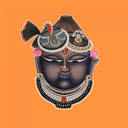
The cow's place in Krishna's own life gives this day its Pushtimarg weight: Krishna grew up among the cows and cowherds of Vraj, and Shrinathji Himself is the Govardhandhari, the lifter of the hill that sheltered those very cows. Honouring the cow on the day the festive season opens is honouring the world Krishna actually lived in and the seva that flows from it — Shrinathji's own gaushala, and the daily reality that Pushtimarg seva was built around a pastoral life, not an abstraction.
For a Vaishnav, Vagh Baras is a good day to begin the same way a household begins its cleaning: clearing space, inwardly as much as physically, for the seva-filled days about to arrive.