Vijaya Ekadashi
What it is
Vijaya Ekadashi falls on the eleventh day of the dark fortnight — Maha vad Agiyaras in the Gujarati reckoning, the Krishna Paksha of Phalguna in the North. Its katha belongs to the Ramayana's most anxious hour. Shri Ramchandra stood on the southern shore with His vanara army, Sitaji captive across the water, and before Him the ocean — vast, unwilling, impossible. When strength and counsel ran out, Shri Ram approached the sage Vakdalbhya, who told Him of a vrat kept by the wise since ancient times: the Ekadashi of this fortnight, observed with fasting, worship and jagran, grants victory where no way can be seen.
The Lord Himself, with Lakshmana, Sugriva, Hanumanji and the whole army, kept the vrat with full shraddha. And the way opened: the sea was bridged, Lanka fell, and Sitaji was won back. From that day this tithi is called Vijaya — the giver of victory. The Skanda Purana records its mahatmya, retold by Brahmaji to Naradji, promising that its observance carries a jiva across obstacles as Shri Ram was carried across the sea.
Why we observe it
Every life meets its ocean — the trouble too wide to cross, the situation no effort seems to move. Vijaya Ekadashi is kept for exactly those hours, and its lesson is precise: Shri Ram was the Lord Himself, yet as maryada purushottam He chose humility — He asked a sage, accepted a vrat, and let victory come as grace rather than force. Kept in that spirit, the fast becomes an act of aashray: laying our own impossibility at Prabhu's feet.
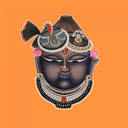
A Pushtimarg Vaishnav keeps the upvas and spends the day in the smaran of Shrinathji, entrusting to Him the particular ocean of the moment — an illness, a loss, a duty beyond one's strength — while continuing steadfastly in seva, as the army went on building its bridge stone by stone. The phal is vijay, but of a particular kind: outer obstacles yield in His time, and long before they do, the heart stops drowning — steadied by the certainty that the One who bridged the sea walks ahead of us.