Diwali (Chopda Pujan)
What it is
Diwali falls on Aso vad Amas, the new-moon night that closes the year in the Gujarati reckoning — the darkest night of the season, answered with the most lamps. Across India it recalls Shri Ramchandraji's return to Ayodhya and honours Mahalakshmiji, and for Gujarati merchant families it is the day of Chopda Pujan: the old year's accounts are closed, and fresh chopdas are placed before Mahalakshmiji, marked 'Shubh' and 'Labh', so that the new year's first entry is made in the presence of the divine.
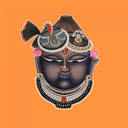
In Pushtimarg havelis the night carries its own Vraj bhav. Shrinathji is Gopal returning with His cows at godhuli, the golden, dust-lit dusk; deepmala — rows upon rows of ghee lamps — glow through the haveli, arranged with such care that no flame glares upon the Lord's mukharvind. Special manoraths adorn the day, among them the beloved Hatri: a miniature market of toys and wares is set out before Thakorji, so that the Lord of all abundance may play shopkeeper amid His Vraj. Cows are decorated and worshipped, for Diwali in Vraj is, above all, Gopal's own festival.
Why we observe it
For a Vaishnav, Chopda Pujan is more than an accounting custom: it is the yearly reminder that the ledger itself belongs to Prabhu. Wealth in Pushtimarg is neither renounced nor worshipped for its own sake — it is offered. Whatever the shop, trade or salary, its first fruit is Thakorji's bhog, and Lakshmiji is honoured as the one who dwells wherever her Lord is lovingly served. Opening the new books with 'Shubh-Labh' before the Lord turns commerce into seva and profit into prasad.
The deepmala carries the bhav of the Vrajvasis, who lit lamps in every doorway when their Kanhaiya returned safely home from the forests; each flame we light is that same welcome, the heart saying 'come home to me'. And the darkness of Amas is the soul's own darkness, which no effort of ours can burn away — only pushti, His grace, kindles the inner lamp. So the Vaishnav keeps Diwali twice over: lamps in the home for the world's joy, and a lamp in the heart for the Lord of Vraj, with the prayer that the whole of the coming year be spent in His seva.