Hindola (Jhulan)
What it is
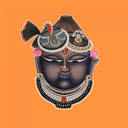
Hindola — Jhulan in Vraj — is the swing festival of the monsoon, and one of the most beloved stretches of the Pushtimarg year. Through the month of Shravan (at Nathdwara the swings begin even earlier and continue for over a month), Shri Thakorji is seated each day upon a hindola — a swing decorated afresh every single day: one day flowers, another day silver, mirrors, pearls, fruits, dry fruit, coloured glass, even vegetables — the ingenuity of sevaks knows no end.
The bhav is Vraj in the rains: the earth green, the clouds low, peacocks calling, and the gopis hanging a swing for Shri Radha and Shri Krishna in the nikunj, rocking them gently while the rain-wind does half the work. At Nathdwara tradition even carries the swing through different bhavs — days in Nandalay, days beside Shri Girirajji, days in the nikunj, days on the bank of Shri Yamunaji. Evening after evening, devotees fill the havelis to see which hindola has been dressed for Prabhu today, and the padas of jhulan are sung.
Why we observe it
Hindola is seva at its most playful. A swing serves no need — no hunger, no rest — it exists purely for delight, and that is exactly why it belongs to Pushtimarg, where Prabhu is served not as a power to be pleased but as a beloved to be delighted. When the sevak's hand draws the swing's cord, the heart says what the gopis said: the season is beautiful, Lala, and it is nothing until you enjoy it. The monsoon itself becomes an offering — the cool wind, the fragrance of wet earth, the green of Vraj woven into the shringar.
There is intimacy in the rhythm: swinging is how one delights a child, and Shrinathji in Pushtimarg is the child-king of Vraj, served with a mother's tenderness and a friend's playfulness at once. For the Vaishnav, the month teaches steadiness in love: a new hindola every day, a new darshan every evening, kirtan after kirtan — small, daily, unforced acts of adornment that keep the heart facing Prabhu all season long. Ask any Vaishnav their childhood memory of the haveli, and often it is this: the swing, the songs, the rain outside.