Indira Ekadashi
What it is
Indira Ekadashi falls in the Krishna Paksha of Ashwin — Bhadarva Vad in the Gujarati reckoning — right in the middle of Pitru Paksha, the fortnight of the ancestors, which is why it is also known as the Shraddha Ekadashi. It is the one Ekadashi of the year whose merit is traditionally offered not for oneself but for one's departed elders.
Its katha is told by Shri Krishna to Yudhishthira. In the city of Mahishmati ruled Indrasena, a devout and righteous king. One day Devarshi Narada came to his court with a message: the king's father, despite a life of merit, was suffering in Yamaloka because of a vrat left incomplete in a past life. Narada counselled the king to observe Indira Ekadashi with full faith together with his family, and to offer its punya to his father. Indrasena did so — fasting, worshipping Shri Vishnu, feeding Brahmins and the needy — and at that very offering his father was released, ascending to Vaikuntha while blessing his son.
Why we observe it
Indira Ekadashi joins two duties that usually sit apart: bhakti toward Prabhu and gratitude toward those who came before us. In the Shraddha days a Vaishnav remembers that the path itself was handed down — someone taught us our first 'Shri Krishna sharanam mama', someone first led us into seva. This Ekadashi is the day to repay that debt in the only currency bhakti knows: love offered on another's behalf.
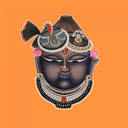
Keep the vrat as seva of Shrinathji. The fast is not a hardship to be endured but a day swept clean of meals and worldly business so that smaran can fill it — kirtan, katha-shravan, quiet remembrance before Prabhu. Then, as Indrasena did, place the day's punya at Prabhu's feet for the sadgati of departed family, praying that they too rest in his sharan. The phal the shastras promise is peace for the ancestors and purification of one's own heart; the deeper phal is the softening that comes from fasting for someone else's sake.