Makar Sankranti
What it is
Makar Sankranti marks the sun's entry into Makara rashi (Capricorn) and the beginning of Uttarayan, its six-month northward journey. Unlike most Hindu festivals it follows the solar calendar, falling in the heart of winter as the days begin to lengthen — around the Gujarati months of Posh and Maha. Across India it is a festival of gratitude to Surya Narayan and of the harvest: til (sesame) and gud (jaggery) are everywhere, and in Gujarat the sky itself celebrates, filled with kites on Uttarayan.
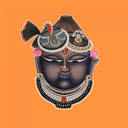
In the haveli parampara the day has its own sweetness. Samagri of til is prepared for Shri Thakurji — til ladoo and khichda are offered in bhog — and kirtans of the season, including songs of kites and play, are sung. The bhav is of a turning point: the coldest days are passing, light is increasing, and Vraj's spring — with Vasant Panchami and the whole Holi season — is now not far away. Sankranti is the doorway of the brighter half of the year.
Why we observe it
Uttarayan has always been held auspicious: the sun moving north, light gaining on darkness, warmth returning to the world. For a devotee this outer turning mirrors an inner one — a reminder to turn the face of the heart towards Prabhu, as steadily as the sun turns towards the north.
The til holds the day's gentlest teaching. Sesame is tiny, yet full of sneha — the word means both oil and affection. Bound together with jaggery into a ladoo, the til seeds sit so close that nothing can come between them; the tradition sees in this the bond between the bhakta and Shri Thakurji, sweet and inseparable. Sharing til-gud with others carries the same prayer: let our words and our bonds be sweet. And the kite, for those who love the bhav of Vraj, becomes an image of the soul — soaring high and free, yet held always by one string, and that string in the hand of the Lord. Danced by the wind, it never falls, so long as the string is His.