Mohini Ekadashi
What it is
Mohini Ekadashi falls on the eleventh tithi of the bright fortnight of Vaishakh (Vaishakh Sud Agiyaras). Tradition connects this tithi with one of the most wondrous moments in the leelas of Shri Hari: when the ocean of milk was churned and the amrit appeared, the Lord assumed the form of Mohini, beauty itself, so that the nectar might reach the devas and not the asuras. The Ekadashi bears her name and carries her power — the power to dissolve moha, the very delusion that binds the jiva.
Its katha, it is said, was narrated by the sage Vasishtha to Shri Ramchandra. In the city of Bhadravati lived the pious merchant Dhanpal, whose son Dhrishtabuddhi squandered the family's wealth in vice until he was cast out and sank into sin. Wandering hungry, he reached the ashram of the rishi Kaundinya in the sacred month of Vaishakh. The sage gave him no harsh penance — only this one vrat. Dhrishtabuddhi kept Mohini Ekadashi with faith; his sins fell away like old garments, and he attained the Lord's dham.
The scriptures say that even hearing this katha with devotion yields the merit of a thousand cows given in daan.
Why we observe it
Mohini Ekadashi is kept to loosen the grip of moha — infatuation with what cannot last. The katha is honest about us: Dhrishtabuddhi is not a demon but an ordinary jiva who let his desires drive him. And the remedy offered is not despair or harsh austerity but one day given wholly to Prabhu. That is deeply consonant with the Path of Grace: it is not the soul's struggle but the Lord's kripa that lifts it.
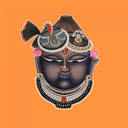
For the Pushtimarg Vaishnav there is a sweeter turn in the name itself. Mohini is Prabhu's own enchanting beauty — and our path does not ask us to kill attachment, but to give it its true object. The heart that is captivated by the svarup of Shrinathji — by His shringar, His kirtans, His leela — finds worldly moha simply falling silent, as stars fade at sunrise.
So on this Ekadashi the Vaishnav fasts from grain and, more importantly, feasts the eyes and ears on Prabhu: darshan, smaran and kirtan through the day. The vrat is kept for His prasannata; its phal is a heart whose love has finally come home.