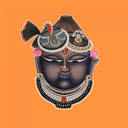
Ram Navami
What it is
Ram Navami falls on Chaitra Sud 9, the ninth day of the bright fortnight of Chaitra, crowning the nine days of Chaitra Navratri at the threshold of summer. It celebrates the appearance of Bhagwan Shri Ramchandraji, born at midday in Ayodhya in the Treta Yuga to King Dasharath and Mata Kaushalya, after the king's long yearning for a son was answered through the Putrakameshti yagna. Shri Ram is the seventh avatar of Shri Vishnu, revered as Maryada Purushottam — the Supreme Person who lived every relationship perfectly: as son, brother, husband, friend and king.
His katha, told in the Ramayan, is the story of truth kept at any cost: of Sita-ji's steadfastness, Hanuman-ji's dasya-bhakti, Bharat-ji's renunciation, and dharma victorious over Ravan's adharma. The day is kept across the whole Hindu world with vrat, katha and Ram-dhun, and the midday hour of the janma is marked with special celebration, for it is remembered that Prabhu appeared as the sun stood overhead — a birth of light at the very height of the day.
Why we observe it
In Pushtimarg, Ram Navami is not a festival borrowed from elsewhere: it is one of the four Jayanti vrats that Shri Mahaprabhuji placed in the seva-pranalika — together with Janmashtami, Vaman Dwadashi and Nrusinh Chaudas — because on these four days Purna Purushottam himself performed his pushti-leela. Vaishnavs therefore keep a vrat on this day. For the Pushtimargi heart, Shri Ram is not 'another' Bhagwan: the same Prabhu who stands with his arm raised over Govardhan tasted the rasa of maryada as Ram, just as he tastes the rasa of madhurya as Shri Krishna.
In the havelis the janma is celebrated with panchamrut snan and tilak-aarti, vadhaai kirtans and rajbhog darshan, and in the haveli tradition Thakorji is adorned in the bhav of the day with the dhanush-baan, Shri Ram's bow and arrow. The utsav teaches what maryada means: to keep one's vachan, honour one's elders, and hold dharma dearer than comfort. And the Vaishnav's own prayer remains Kaushalya's — to hold Prabhu as her own child, with vatsalya, and to let his janma take place afresh in one's heart.