Rama Ekadashi
What it is
Rama Ekadashi comes on Aso Vad 11 in the Gujarati calendar (Kartik Krishna Paksha in the northern reckoning) — the last Ekadashi before Diwali, just four days ahead of it. 'Rama' is a cherished name of Shri Lakshmiji, fitting for the fortnight that ends in her festival of light.
Its katha: King Muchukunda, a steadfast devotee of Shri Vishnu, ruled a kingdom where Ekadashi was kept by all. His daughter Chandrabhaga had observed the vrat with love since she was eight years old. Her husband Shobhana, visiting on Rama Ekadashi, resolved to fast though his body was frail — and did not survive the night. Yet the vrat's power gave him Devapura, a shining city on Mount Mandarachala. But the city was unstable, earned as it was in a single reluctant fast. When Chandrabhaga came to him, she offered the merit of her lifetime of Ekadashis — and by that punya the city became eternal. Even a vrat kept feebly bore fruit; a vrat kept with love bore fruit that could be given away.
Why we observe it
Rama Ekadashi's katha carries a teaching almost no other Ekadashi states so plainly: bhakti is shareable. Shobhana's single fast, kept without strength, was still not wasted — Prabhu counts even a stumbling step taken toward him. And Chandrabhaga's years of quiet, loving vrats became a wealth she could pour out for someone else. In a Vaishnav home this is how seva works: one person's nishtha steadies the whole family.
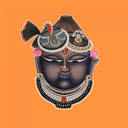
Falling days before Diwali, this Ekadashi is the heart's safai before the home's. Houses are being cleaned and lamps readied; the Vaishnav keeps this fast as the inner counterpart — a day of smaran and seva of Shrinathji that sweeps the mind clear before Annakut's abundance and the new year's beginning. The phal to ask for is not Shobhana's heavenly city but what Chandrabhaga had all along: sthirata — a love that does not waver, kept warm by two Ekadashis every month, quietly growing into something strong enough to hold others up.