Sharad Purnima
What it is
Sharad Purnima — Aaso sud Poonam, the full moon of the sharad season — is the night of the Maharaas, one of the maha utsavs of Pushtimarg. The Bhagavat's Raas Panchadhyayi tells it: seeing the autumn night at its most beautiful, Shri Krishna sounded his venu, and the gopis of Vraj left everything — homes, tasks, honour, fear — and came to him in the forest. On the banks of the Yamuna, in the light of the full moon, the raas mandal formed, and Prabhu multiplied himself so that every gopi found Shri Krishna dancing beside her, hers alone. The tradition holds that on the previous night, Chaudas, the gupt (hidden) Maharaas takes place, while Poonam's raas is the revealed one.
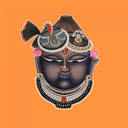
In haveli seva the utsav is kept in white: Thakorji is dressed in shvet vastra woven with zari and adorned with diamonds, and the moonlit courtyard is dressed in white; the shringar remains unchanged through the day, raas kirtans are sung, and kheer or dudh-poha, left under the sharad moon — which is said to rain amrut this night — is offered to Prabhu.
Why we observe it
The Maharaas is the crown of prem. In it Prabhu, the Purna Purushottam, gives himself wholly to those who have given themselves wholly to him — the gopis who dropped everything at the sound of the venu are pushti bhakti made visible: love that does not calculate, delay or look back. Pushtimarg treasures this night as the fruition of the year's longing: Radhashtami is remembered as the seed, and Sharad Poonam is its full flowering.
For a Vaishnav the raas is not a dance to imitate but a truth to trust — that Shri Krishna is not a distant deity to be petitioned but a beloved who multiplies himself for his own, so that no bhakta who comes to him is ever left standing outside the circle. Many keep jagran with kirtan through the night, taking the moon's amrut as the very image of Prabhu's grace: poured down freely, sweetening whatever is left open beneath it.