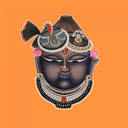
Varuthini Ekadashi
What it is
Varuthini Ekadashi arrives on the eleventh tithi of the dark fortnight of Chaitra by the Gujarati reckoning (Vaishakh Krishna Paksha in the North Indian calendar), in the warm weeks that follow Ramnavami. Its name comes from 'varutha' — an armour, a shield — and so it is remembered as the Ekadashi that protects.
Its katha is told of King Mandhata, who ruled on the banks of the Narmada. Once, while he sat absorbed in tapasya in the forest, a wild bear seized his foot and began to drag him away. The king neither fought nor cursed; steadfast in dharma, he simply called out to Shri Vishnu. The Lord appeared at once, released him with the Sudarshan chakra, and lovingly instructed him to worship His Varaha svarup and keep the Varuthini vrat, by whose power his wounded limb was restored whole.
The Puranas declare the phal of this vrat equal to the daan of ten thousand cows, greater than gifts of gold, land or elephants. Above all, the tithi commemorates Prabhu as the instant rescuer of those who are His.
Why we observe it
Varuthini is observed for raksha — but the protection it speaks of is deeper than safety of the body. Mandhata's greatness was not that he escaped the bear; it was that, with his foot in its jaws, he neither panicked nor fought, but turned wholly to Prabhu. That is the vrat's real teaching: when our own strength is useless, calling on Him is not the last resort but the first.
For a Pushtimarg Vaishnav this katha is the very picture of aashray. Shri Mahaprabhuji taught that the jiva's one true refuge is Prabhu's grace, and Ekadashi is kept not to earn merit but to make the day entirely His — the mind withdrawn from food and worldly busyness so that smaran, kirtan and seva can fill it. The vrat is offered for the prasannata of Shri Thakorji, and its sweetest phal is not the promised punya but abhay — the fearlessness of one who knows whose hand holds him.
Keep the fast as shakti allows; keep the bhav without limit: 'I am Yours, and You are my armour.'